
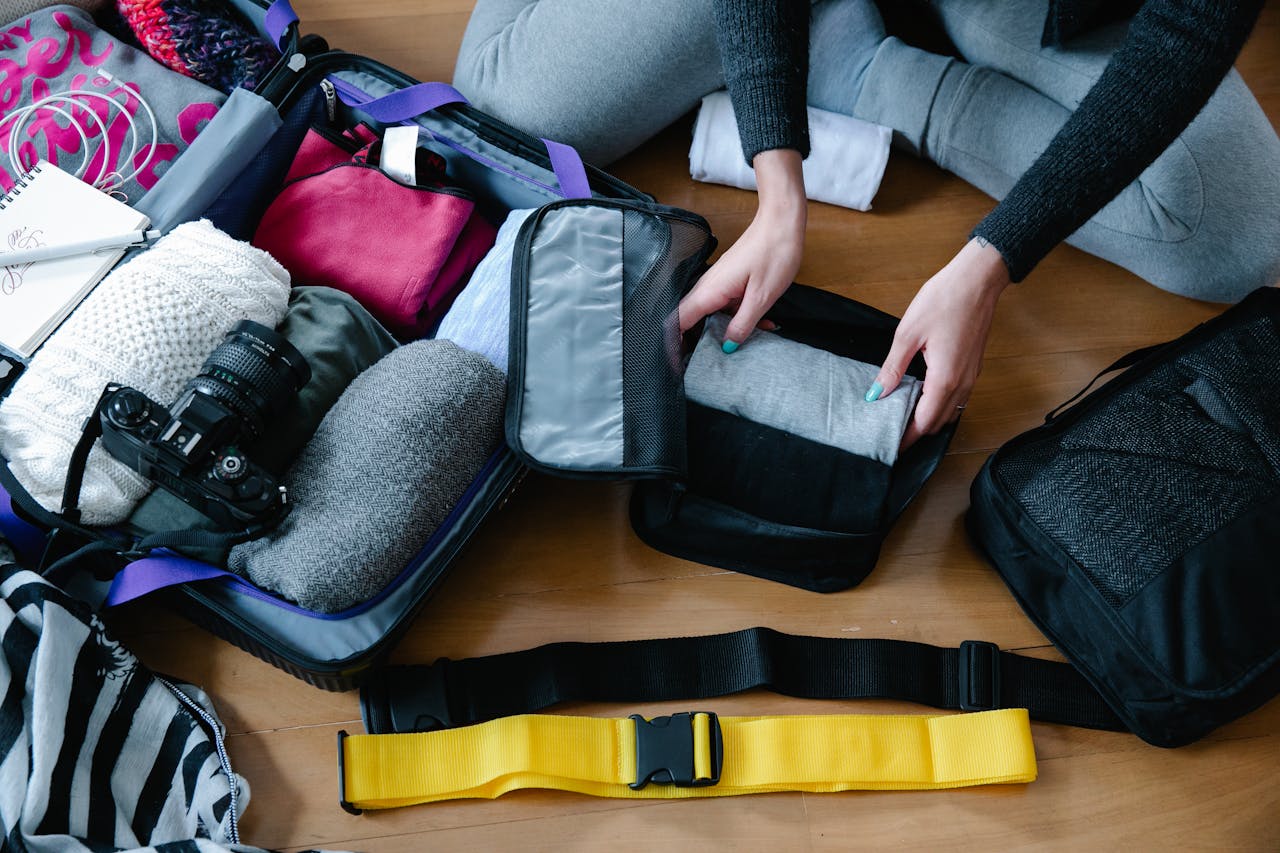

Backpacking is one of the most rewarding ways to explore the outdoors. It offers a unique sense of freedom and adventure as you hike through forests, mountains, or along coastlines with everything you need packed into your backpack. Whether you’re heading into the wilderness for a weekend getaway or embarking on a longer trek, packing the right gear is essential for comfort, safety, and success. In this guide, we’ll cover the essential backpacking gear you need to make your next trip an unforgettable adventure.
The Right Backpack
Choosing the right backpack is the first step in ensuring a smooth trip. The backpack should be large enough to carry all your essentials, but not so big that it’s unwieldy. A backpack with a capacity of 40-60 liters is typically perfect for most multi-day hikes. Look for a pack with padded shoulder straps, a hip belt, and multiple compartments to help distribute weight evenly and organize your gear.
Make sure your backpack fits properly. When choosing a pack, consider your torso length and hip size, as a comfortable fit will reduce strain and prevent discomfort while carrying heavy loads over long distances.
Shelter: Tent, Sleeping Bag, and Pad
A good night’s rest is essential during a backpacking trip, and having the right shelter can make all the difference. Choose a lightweight, weather-resistant tent that’s easy to set up and pack away. A two-person tent is a great option for solo backpackers or those who prefer extra space. Consider investing in a tent with a waterproof rainfly to keep you dry during unexpected downpours.
When it comes to sleeping bags, select one that suits the climate of your destination. A bag rated for three seasons (spring, summer, and fall) should work well for most situations. If you’re heading into colder areas, opt for a sleeping bag designed for winter conditions.
Pair your sleeping bag with an inflatable sleeping pad or foam pad for added comfort and insulation from the cold ground. A lightweight pad will pack down small but provide essential cushioning for a good night’s sleep.
Clothing for Comfort and Protection
When backpacking, it’s important to pack clothes that are lightweight, moisture-wicking, and quick-drying. Layering is the key to staying comfortable in changing weather conditions. Pack a moisture-wicking base layer to keep sweat away from your skin, an insulating mid-layer for warmth, and a waterproof and windproof outer layer to protect against the elements.
Don’t forget a hat, gloves, and extra socks and underwear. Also, pack a pair of durable hiking pants and shorts that are both breathable and comfortable for long walks. A lightweight rain jacket is essential to keep you dry during unexpected showers.
Food and Water Systems
Backpacking means you’ll need to carry enough food and water to sustain yourself throughout the trip. Plan your meals and snacks in advance, and aim for lightweight, high-calorie foods that are easy to prepare. Freeze-dried meals are a popular choice as they are compact, lightweight, and easy to cook by simply adding boiling water.
Bring a lightweight stove or camping stove to heat your meals and boil water. Don’t forget to pack fuel for the stove and a lighter or matches. A small cooking pot, utensils, and a mug will also come in handy.
For hydration, bring a reliable water filtration system, such as a water filter or water purification tablets, especially if you’ll be drawing water from streams or lakes along the trail. A hydration reservoir (bladder) inside your backpack makes it easy to sip water without stopping, while a few refillable water bottles are also a good option.
Navigation Tools
Even if you’re familiar with the trail, it’s essential to have proper navigation tools to avoid getting lost. A detailed map and compass are classic tools for navigation, but many backpackers also rely on GPS devices or smartphones with offline map apps to help guide their way.
If using a smartphone for navigation, make sure to carry a portable power bank to recharge your device. A reliable GPS watch can also come in handy for tracking your location and distance traveled.
First-Aid Kit and Emergency Gear
A first-aid kit is an essential item for any backpacking trip. Pack a basic kit with bandages, antiseptic wipes, gauze, pain relievers, blister treatment, and any personal medications you may need. If you’re going to more remote areas, consider including items like tweezers, an emergency whistle, and a multi-tool.
In case of an emergency, a flashlight or headlamp with extra batteries is essential for visibility at night or during power outages. A whistle is also important for signaling in case you get separated from your group or need help.
Footwear for Comfort and Protection
Your feet are your most valuable asset on a backpacking trip, so it’s essential to choose the right footwear. A pair of high-quality, well-fitting hiking boots or shoes with ankle support will provide the stability and protection you need for long treks. Make sure the shoes are broken in before your trip to avoid blisters.
Consider packing extra socks and blister prevention items, such as moleskin or blister bandages, to keep your feet in top shape throughout the hike.
Sun Protection
Protecting yourself from the sun is crucial, especially when you’re outdoors for extended periods. A wide-brimmed hat and UV-protective clothing will shield your skin from harmful rays. Don’t forget to apply sunscreen regularly, even on cloudy days, to avoid sunburn.
Sunglasses with UV protection are important for protecting your eyes from harmful sunlight and glare, especially in snowy or high-altitude environments.
Multi-Tool and Survival Gear
A multi-tool, such as a Swiss army knife or Leatherman, can be a lifesaver in the wilderness. These versatile tools can assist with tasks like food preparation, repairing gear, or setting up your tent. It’s a compact and practical addition to your backpack.
Other essential survival gear to consider includes fire-starting materials, like waterproof matches or a lighter, a compact emergency blanket, and a small repair kit for fixing gear on the go.
Personal Hygiene Items
While backpacking is all about adventure, it’s also important to stay clean and maintain personal hygiene. Pack biodegradable soap for washing, hand sanitizer, and a small towel. Wet wipes are also a great alternative for quick freshen-ups when you don’t have access to water.
To minimize your environmental impact, make sure to pack out all hygiene products, including used toilet paper, and follow Leave No Trace principles.
Final Words
Backpacking is an incredible way to explore the great outdoors, but packing the right gear is essential for a successful and enjoyable trip. By carefully selecting lightweight, functional, and versatile items, you can ensure your comfort and safety while embarking on your adventure. Remember that every item in your backpack should serve a purpose, and always prepare for the unexpected by having backup supplies and equipment. With the right gear, your next backpacking journey will be an unforgettable experience full of exploration, discovery, and adventure.